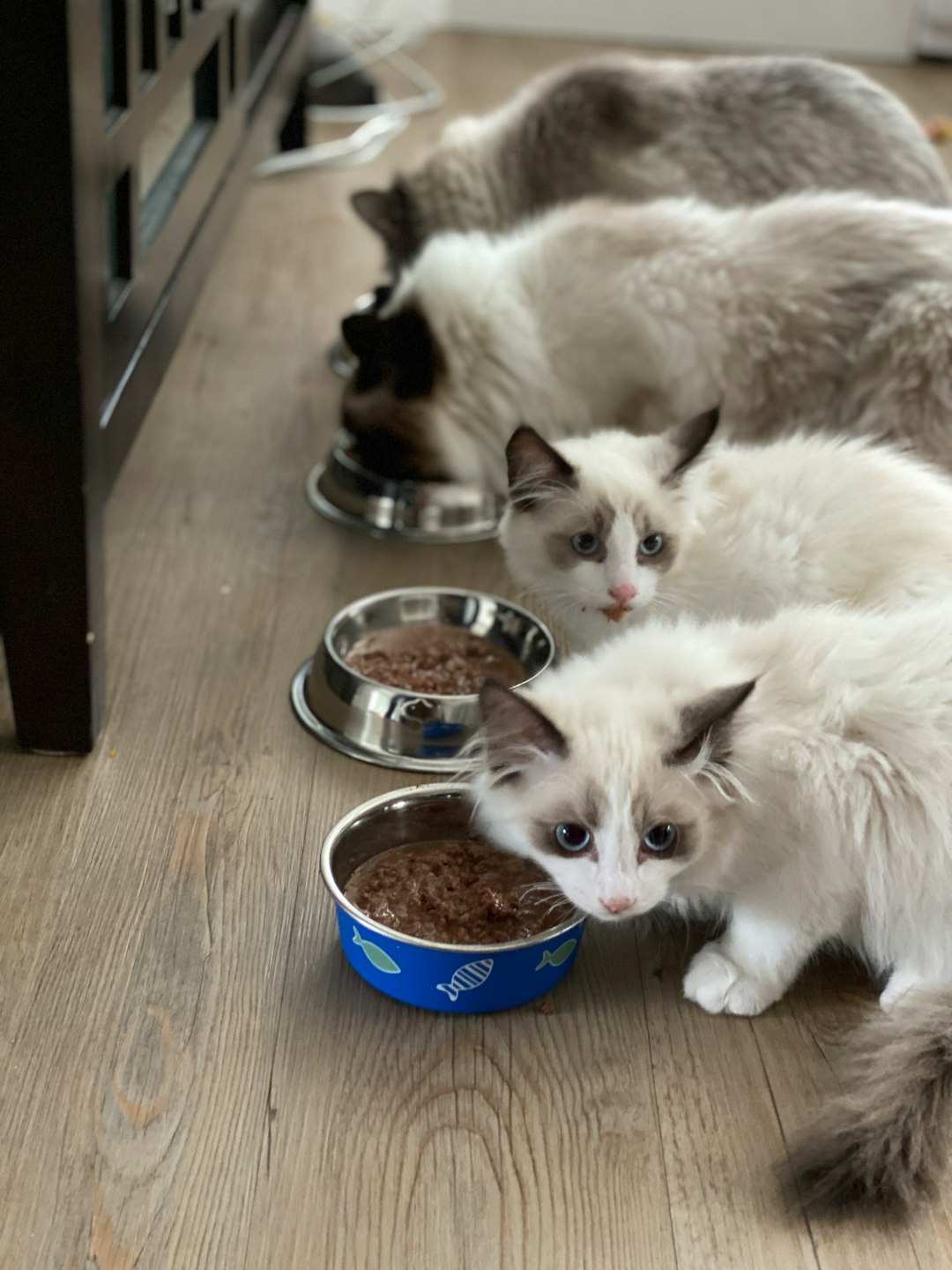

Kittens experience rapid growth and development, making their nutritional needs crucial for their well-being. Understanding the components of high-quality kitten food helps ensure they receive the necessary nutrients for healthy growth. Key ingredients like protein, vitamins, and minerals play an essential role in supporting their active lifestyle. With many options available, choosing the right type of kitten food can significantly impact their overall health. Armed with the right information, you can make informed decisions that will benefit your furry friend during this vital stage of life.
Understanding the Nutritional Needs of Kittens
Kittens experience rapid growth and require a specialized diet to support their developing bodies. Thus, choosing the right kitten food is crucial for their health. Here are the key nutritional needs to consider:
- High Protein Content: Kittens need more protein than adult cats. Look for kitten food with at least 30% protein to promote healthy muscle development.
- Fatty Acids: Essential fatty acids, particularly DHA, support brain and vision development. Ensure your kitten food contains sources like fish oil.
- Vitamins and Minerals: A balanced kitten food should include:
- Calcium and phosphorus for strong bones.
- Vitamins A, D, and E for overall health and immune system support.
- Calories: Kittens require more calories per pound than adults. A diet that provides around 450-500 calories per cup of kitten food ensures they get enough energy for their playful lifestyles.
In summary, understanding the unique nutritional needs of kittens lays the foundation for a healthy life. Choose a top-quality kitten food that addresses these needs for optimal growth and development.

Key Ingredients in Kitten Food
When selecting the right kitten food, understanding its key ingredients is crucial for your kitten’s development. Here are some essential components to look for:
- High-Quality Protein: Look for real meat (like chicken or fish) as the first ingredient. Kittens need protein for muscle development and energy.
- Healthy Fats: Essential fatty acids like DHA support brain and eye development. Ensure your kitten food contains sources such as fish oil or chicken fat.
- Digestible Carbohydrates: Ingredients like brown rice or sweet potatoes provide energy and fiber for digestive health.
Comparison Table: Key Ingredients
| Ingredient | Importance |
|---|---|
| Protein | Supports growth and muscle development |
| Fats | Aids in brain development |
| Carbohydrates | Provides energy and digestive health |
Moreover, vitamins and minerals such as taurine (crucial for heart health) and calcium (essential for bone growth) should be present in kitten food. Always check the label to ensure your kitten receives a balanced diet that promotes healthy growth and energy!
The Importance of Protein for Growth
Protein plays a crucial role in a kitten’s development. Young cats require more protein than adult cats due to their rapid growth and high energy levels. Here are some key points about the importance of protein in kitten food:
Supports Growth: Protein assists in building and repairing tissues, which is vital for growing kittens.
Promotes Healthy Muscle Development: Amino acids, the building blocks of protein, are essential for muscle growth.
Energy Source: Kittens have high energy needs, and protein contributes to their overall energy supply.
When selecting kitten food, aim for a product that contains between 30% to 40% protein. Here’s a quick comparison of common protein sources found in kitten food:
| Protein Source | Protein Content (%) |
|---|---|
| Chicken Meal | 70% |
| Fish Meal | 60% |
| Beef | 25% |
| Eggs | 50% |
Choosing high-quality kitten food with ample protein ensures your kitten grows strong and healthy. A well-balanced diet not only fosters growth but also sets the stage for a vigorous adult life.
Essential Vitamins and Minerals for Kittens
Kittens require a variety of essential vitamins and minerals for optimal growth and development. These nutrients support their immune system, bone health, and overall well-being. Here are the key components of kitten food that you should look for:
- Calcium and Phosphorus: Crucial for developing strong bones and teeth.
- Vitamin A: Supports vision, skin health, and reproduction.
- B Vitamins (B1, B2, B6, B12): Vital for energy metabolism and maintaining a healthy nervous system.
- Omega-3 and Omega-6 Fatty Acids: Promote a healthy coat and skin while supporting cognitive function.
Comparison of Key Vitamins and Minerals
| Nutrient | Function | Sources in Kitten Food |
|---|---|---|
| Calcium | Bone and teeth development | Meat, fish, dairy |
| Phosphorus | Energy metabolism and bone health | Meat, eggs, grains |
| Vitamin A | Vision and skin health | Fish oil, liver |
| B Vitamins | Energy and nerve function | Whole grains, meat |
| Omega Fatty Acids | Coat health and brain development | Fish oil, flaxseed |
Choosing high-quality kitten food that contains these essential nutrients ensures your kitten grows healthy and strong.

Choosing Between Dry and Wet Kitten Food
When it comes to selecting the right kitten food, you have two primary options: dry and wet. Each type offers unique benefits, and understanding these can help you make the best choice for your furry friend.
Dry Kitten Food
- Convenience: Easy to store and serve, ideal for free-feeding.
- Dental Health: Helps reduce plaque and tartar buildup.
- Cost-Effective: Generally more affordable than wet food.
Wet Kitten Food
- Hydration: Contains higher moisture content, beneficial for hydration.
- Palatability: Often more appealing to kittens due to its aroma and texture.
- Higher Protein: Typically features higher protein levels, essential for growth.
Comparison Table
| Feature | Dry Kitten Food | Wet Kitten Food |
|---|---|---|
| Moisture Content | Low (10% moisture) | High (75% moisture) |
| Shelf Life | Longer | Shorter |
| Cost | Generally cheaper | Usually pricier |
| Nutritional Density | Moderate | Higher protein content |
Ultimately, a combination of both dry and wet kitten food can provide a balanced diet. Consider your kitten’s preferences and dietary needs when making your decision!
Feeding Guidelines Based on Age and Weight
Proper feeding is crucial to ensure your kitten grows healthy and strong. Here are some guidelines to help you with kitten food portioning based on their age and weight:
Age-Specific Guidelines:
- 0-4 Weeks: Nursing kittens should rely on their mother’s milk or a high-quality kitten milk replacement.
- 4-8 Weeks: Introduce kitten food gradually. Begin with wet food mixed with water to create a soft mush.
- 2-6 Months: Offer a mixture of dry and wet kitten food. Feed about 4 meals a day, totaling 1/3 to 1/2 cup of food.
- 6-12 Months: Transition to feeding 2-3 meals a day, with the amount depending on the kitten’s weight.
Weight-Based Guidelines:
- Up to 2 lbs: Approximately 1/4 cup of kitten food per day.
- 2-4 lbs: About 1/3 cup of kitten food daily.
- 4-6 lbs: Increase to 1/2 cup each day.
Keep in mind to adjust feeding amounts based on your kitten’s activity level and overall health. Monitoring their growth is vital; consult your veterinarian if you notice any concerns.
Common Myths About Kitten Nutrition
When it comes to kitten food, misinformation can lead to poor feeding choices. Here are some common myths clarified:
Myth 1: Kittens can eat adult cat food.
- Adult cat food lacks the essential nutrients that growing kittens need, such as higher protein content and specific vitamins crucial for development.
Myth 2: Grain-free kitten food is the best option.
- While grain-free diets are popular, kittens require a balanced intake of carbohydrates. Many reputable kitten food brands include wholesome grains for energy and digestive health.
Myth 3: All wet kitten food is exactly the same.
- Not all wet kitten food provides complete nutrition. Always check for quality ingredients, including protein sources and essential vitamins.
Myth 4: Kittens should be fed the same amount at every meal.
- Kittens have varying energy needs based on age and activity level. Adjust portion sizes accordingly, ensuring that the kitten food you choose supports their growth.
Correcting these misconceptions helps ensure that your kitten develops strong and healthy as they grow!

Transitioning to Adult Cat Food: When and How
Transitioning your kitten to adult cat food is a crucial step in their development. Proper timing and method can ensure that your cat maintains optimal health. Here’s what you need to know:
When to Transition:
- Age: Begin the transition around 12 months old, as most cats reach adulthood by this age.
- Developmental changes: Monitor your kitten’s growth. If they show signs of reaching maturity earlier or later than average, adjust accordingly.
How to Transition:
Gradual Switching:
- Start by mixing a small amount of adult food with their current kitten food.
- Aim for a ratio of 25% adult food to 75% kitten food for the first few days.
Adjusting the Ratio:
- Gradually increase the adult cat food over the next 7-10 days, eventually reaching 100%.
Monitor Health:
- Watch for any digestive issues such as vomiting or diarrhea. If problems arise, slow down the transition.
Additional Tips:
- Ensure that you choose high-quality adult cat food, rich in protein and essential nutrients to support ongoing health.
- Remember, changing outside of the recommended age can disrupt their nutritional balance, so stick to guidelines for the best outcomes.
With these strategies, transitioning from kitten food to adult cat food can be a smooth process, contributing to a healthy feline life.
Frequently Asked Questions
What types of food are best for kittens?
Kittens have specific dietary needs that differ from adult cats, requiring a nutrient-rich diet to support their rapid growth and development. The best foods for kittens are high-quality kitten formulas that are specifically designed to provide the essential proteins, fats, vitamins, and minerals. Look for wet or dry foods labeled as ‘kitten’ on the packaging, which typically contain about 30-40% protein. These foods should also have added DHA, an omega-3 fatty acid found in fish oil that supports brain development.
How often should I feed my kitten?
Feeding a kitten involves adjusting the frequency as they grow. Initially, very young kittens (under 4 weeks) should be fed a special kitten formula every 2-3 hours. Once they transition to solid food (around 4-5 weeks), feed them four meals a day until they are about 6 months old, at which point you can reduce to three meals daily. After a year, most cats can be transitioned to a two-meal schedule. Always ensure they have access to fresh water to stay hydrated.
Are there any human foods safe for kittens?
While some human foods can be safe for kittens, caution is essential. Most foods should primarily come from a well-balanced kitten diet. However, safe human treats can include cooked lean meats such as chicken or turkey, plain cooked eggs, and certain fruits like blueberries or bananas, offered in small amounts. Avoid giving kittens milk, as many are lactose intolerant, and be cautious of toxic foods, including chocolate, onions, garlic, and grapes.
What nutritional supplements do kittens need?
Generally, high-quality commercial kitten food provides all the necessary nutrients a kitten requires, and additional supplements are typically unnecessary. If a kitten is particularly finicky or has health issues, a veterinarian may recommend specific supplements, such as omega-3 fatty acids for brain and coat health or probiotics for digestive support. Always consult with a vet before introducing any supplements to ensure that they complement your kitten’s diet and health needs.